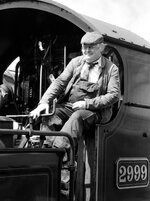
I hadn't been for almost 30 years. A visiting friend wanted to go somewhere "with a bit of railway history" so it seemed a suitable choice. The smile on his face all day matched that driver's.Not been on the Bluebell for longer than I can remember.
It is indeed, Tony. A Saint class, but not all it seems. 2999 is a new build from a donor loco (a Hall I think) and parts made to original specifications. The number and the name are fictitious but in keeping with the spirit of the class. Not that it matters much, all GWR 4-6-0s look the same to meThat's from God's Wonderful Railway isn't it?
That's fascinating Peter. I must look it up. A long time since I was a trainspotter but the power and life in these engines never loses its appeal.It is indeed, Tony. A Saint class, but not all it seems. 2999 is a new build from a donor loco (a Hall I think) and parts made to original specifications. The number and the name are fictitious but in keeping with the spirit of the class. Not that it matters much, all GWR 4-6-0s look the same to me![]()
From my ttainspotting days and photographic beginnings.That's fascinating Peter. I must look it up. A long time since I was a trainspotter but the power and life in these engines never loses its appeal.
I'm glad you found it of interest, Tony.That's fascinating Peter.
Love these, especially top left in the collage with the gaggle of schoolboy trainspotters. They as much as the loco date that one!From my ttainspotting days and photographic beginnings.


It may come as a surprise but it remained coal fired to the end.The crane would be oil fuelled
That is a surprise with such a specific use vehicle. Was it fed automatically? I had a coal fired central heating boiler one time with a worm drive feeding the coal in. I can see the hopper now, very like some of the later BR locos.It may come as a surprise but it remained coal fired to the end.
Sorry for the late reply, Tony, but I opted for "ask a friend" for more information. As these things were in essence emergency equipment they were always in a state of readiness. This included always being in steam. Although capable of heavy lifts this was mostly achieved by gearing and an intricate block and tackle system which made the slow but powerful in operation. Traditionally the crew on the crane itself consisted of just one person, the driver/operator whose duties included tending the boiler. The boiler was comparatively small compared with even the humblest tank locomotive and the crane's two small cylinders only required a correspondingly lower steam pressure. A separate fireman was therefore not necessary.That is a surprise with such a specific use vehicle.